Showing posts with label grasshoppers. Show all posts
Showing posts with label grasshoppers. Show all posts
Tuesday, January 18, 2022
Grasshopper Harvesting & Sales in Uganda
Grasshoppers are seasonally harvested from the wild in Uganda. Check out this video that details the harvesting process and also the sales channel.

Thursday, November 19, 2020
More Schistocerca americana
Schistocerca americana (also known as the American Bird Grasshopper) love to eat. Below is a photo of some that are a couple of weeks old at feeding time. They are feasting on some homegrown lettuce from our caterpillar tunnel.

Thursday, October 29, 2020
Schistocerca americana nymphs hatch
There have been struggles recently with consistent hatches. After speaking with several entomologists, I began to follow of different hatching protocol for Schistocerca americana egg pods. Today was the day the first egg pod was supposed to hatch and it happened right on time. Several dozen nymphs have hatched and more are on the way.
 |
| Schistocerca americana nymph |
This one container holds 3 or 4 egg pods. This is the first one to hatch and the first one laid. So there should be several more hundred that will hatch from this container in the coming days.
The above video shows the newly hatched nymphs in their new home. The following video shows a side view of the egg pod container. Hatching nymphs can be seen (they are bright green) below the surface in the cavity left by the egg pod.
Work also continues on M. differentialis, but for now the focus of production will be on S. americana.


Tuesday, June 9, 2020
Melanoplus differentialis egg pods
Thoptera has been working hard to harvest a large amount of egg pods from the first generation captive grasshoppers. Dozens of Melanoplus differentialis were wild caught in northwest Tennessee late last summer into the fall (2019). Those grasshoppers mated in captivity and deposited egg pods. Those egg pods were hatched during the winter indoors. After having over 200 adults almost ready to begin egg laying, we were struck with a fatal error that wiped out our breeding stock to 100 in number. These remaining grasshoppers have grown large after lots of experimentation with lighting, temperature, and feed. They are now laying eggs pods with gusto.
According to literature, each Melanoplus differentialis pod should contain around 100 eggs depending on the size of the pod. We are conducting our own experiments by placing each pod into its own incubation cup. This will allow for testing of different incubation and hatching protocol, and also to gather data about hatching rates.
If all goes well, Thoptera should see mass hatching begin to occur in late June well into July. Anyone in the market for grasshoppers?
 |
| Egg pods in individual cups. |
According to literature, each Melanoplus differentialis pod should contain around 100 eggs depending on the size of the pod. We are conducting our own experiments by placing each pod into its own incubation cup. This will allow for testing of different incubation and hatching protocol, and also to gather data about hatching rates.
 |
| Keeping track of each egg pod as it goes from being deposited until hatching. |
If all goes well, Thoptera should see mass hatching begin to occur in late June well into July. Anyone in the market for grasshoppers?
 |
| Egg pod typical size thus far. |
Monday, June 8, 2020
Grasshopper Feeding Time
I have been growing several different types of grasses for the grasshoppers to feed on. This spring I planted milo, sudan grass, and wheat in my family's garden. I know that Melanoplus differentialis enjoy eating sudan grass since that is what I feed the wild caught insects last fall until frost.
The grasshoppers really enjoyed some fresh produce straight from the garden. I am sure it was a welcomed treat considering they usually are fed romaine lettuce grown somewhere on the west coast of the U.S. I cut the trio of grasses and took them right in to feed to the hoppers. Talk about a fresh meal.
 |
| Grasshopper feed right out of the garden. |
Tuesday, April 14, 2020
Mass Casualities
Things have been humming along nicely with the indoor grasshopper growth work of Thoptera. If you have been following along with previous posts, you know that an initial small batch of grasshoppers nymphs hatched in December 2019 from wild caught grasshoppers from Fall 2019. These egg pods were incubated indoors and eventually hatched. In March another batch hatched from these original eggs. The total number was nearly 300. That was in addition to the couple of dozen from December. The December batch has matured and has been actively laying egg pods for a few weeks and are nearing the end of their reproductive period. In the meantime the later (more numerous) batch has been consuming large amounts of store-bought romaine lettuce hearts. They have been growing quickly thanks to plenty of food and improved temperature and lighting resources, which include both UVA and UVB.
A new venture like this is always about experimentation and learning. Months back I experimented with some other food types. These included other lettuce types, turnip greens, collards, etc. While the grasshoppers seemed to like the variety to a degree, based on consumption, they always seemed to gravitate back to the romaine lettuce. As a consequence, I have stuck primarily with this food source along with plenty of dry bran.
This week, while at a big box grocery, I picked up some turnip greens. It was really just on a whim. The leaves are big and dark green. This was a fatal error. I placed a few leaves of turnip greens into each of the growth chambers. Immediately the grasshoppers began to devour the leaves. I usually check on the grasshopper chambers every few hours. When I returned I noticed several of the grasshoppers in the chamber with the higher population behaving erratically. Some were on their backs, others had legs that were quivering. There were many that appeared to be dead. Upon closer examination, a few of the older grasshoppers were noticeably sick as well.
 |
| Adult Melanoplus differentialis (notice wings are present). |
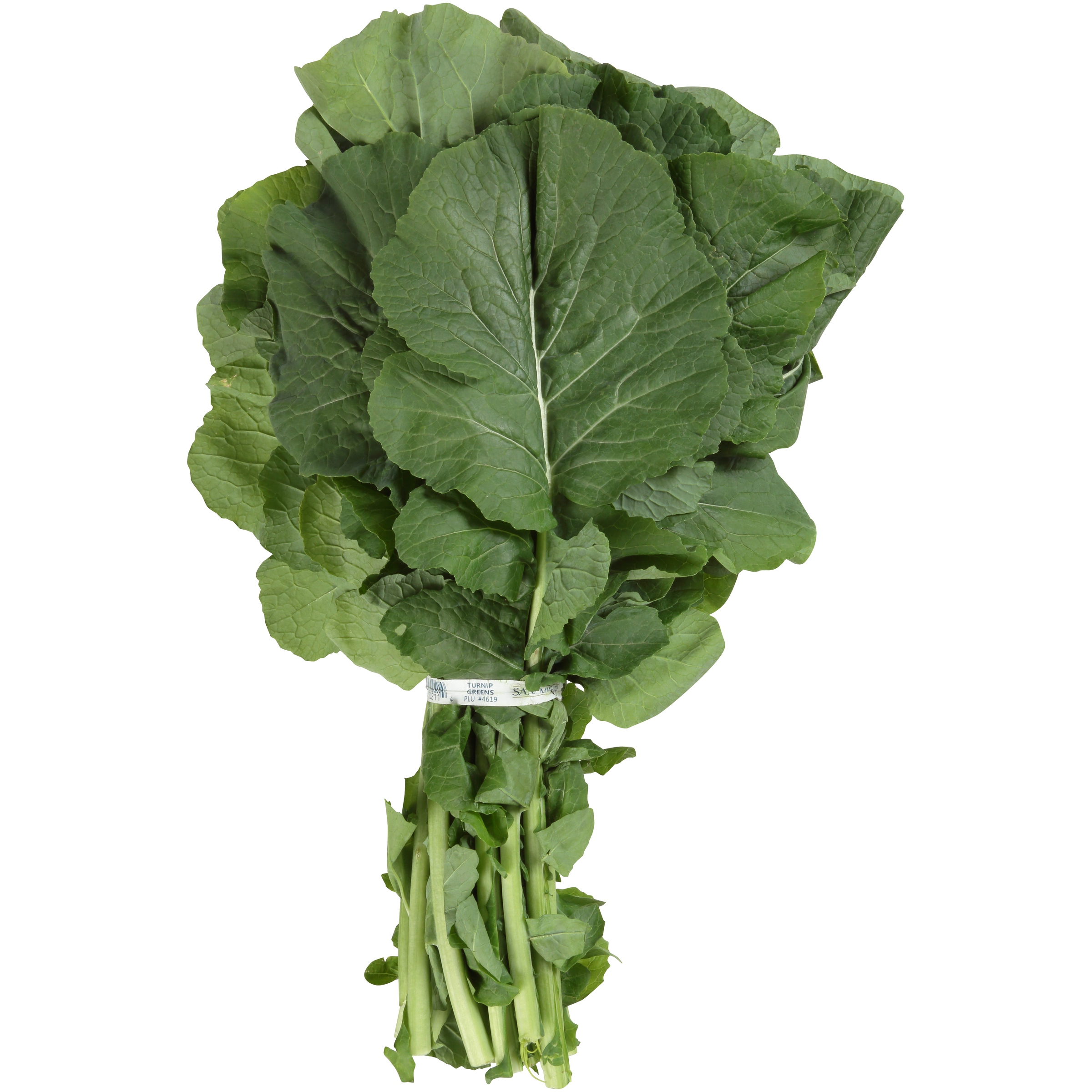 |
| Turnip green bundle. |
 |
| Grasshoppers having a meal. |
The high density chamber had consumed all of the turnip greens I had given them and I was preparing to give them more. Based on the observations, I gave that a second thought. I remembered a research publication I had read that detailed experimentation with growing grasshoppers in captivity. I recalled that one particular paper pointed out the problem with some of the greens that were feed to their grasshoppers had been contaminated with pesticides and resulted in deaths of their stock. This is likely what had just happened to Thoptera's largest batch of grasshoppers hatched to date. I quickly removed what was left of the turnip greens in all of the growth chambers. I hoped that all of the grasshoppers hadn't indulged in the juicy leaves. I would have to wait until morning to see what the final death toll would be.
 |
| Grasshoppers were piled in quantities of 10 to obtain a death count. |
Morning revealed mass casualties. Over 150 of the large batch had died or were near death. Several of the December group had died as well. Thankfully these were nearing end of life anyway. Without a doubt though, some potential egg pod production was lost. There are still around 100 left of that large group. A few more may die still, but hopefully the carnage has ended!
 |
| Deceased grasshoppers from presumed pesticide contamination. |
Lesson learned. From now on, stick to a tried and proven variety and brand of lettuce (greens). If I want to experiment with a new feed type or source, I always need to try it out on a small test group of grasshoppers.
Subscribe to:
Posts (Atom)